
A New Golden Age: Video Game Adaptations Level Up Big Time
Video game adaptations have shed their bad reputation, entering a new golden age thanks to careful brand management and a deeper respect for source material. Shows like HBO's *The Last of Us* are winning awards, while Netflix's *Arcane* and *Cyberpunk: Edgerunners* are drawing in new audiences to their respective game worlds. Even live-action films, exemplified by the *Sonic the Hedgehog* series, are proving wildly successful.
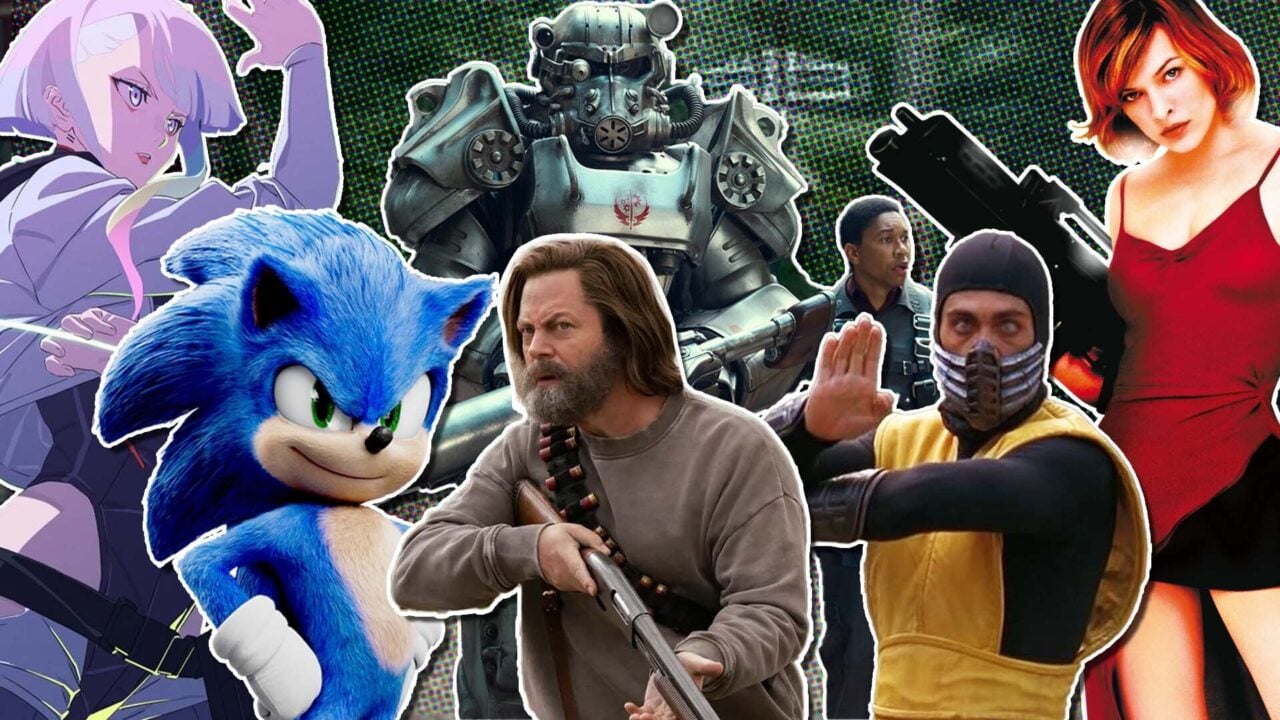
A New Golden Age: Video Game Adaptations Level Up Big Time
For a long time, the phrase "video game movie" was often followed by an eye-roll, a sigh, or perhaps a knowing chuckle. It was a cultural shorthand for cinematic disappointment, a genre plagued by inherent disconnects between interactive gameplay and passive viewing. Remember those rough patches, particularly in the 2000s, when it felt like a select few (let's just say a very prolific director) were churning out questionable adaptations one after another? Well, folks, it’s time to put those painful memories aside, because we are officially in a video game adaptation renaissance, and it’s glorious.
Thanks to a significant shift in how studios and game publishers approach these projects – with brands now much more protective and precise about who gets their licenses – we’re seeing an unprecedented wave of quality. Forget the old stigma; today’s adaptations are not just good, they're critically acclaimed, award-winning, and genuinely expanding the reach of beloved game worlds. So, put down that controller for a moment, grab your favorite snacks, and let’s dive into why this era is truly special.
From Pixelated Pain to Cinematic Gold: A Shifting Narrative
The journey of video game adaptations from a punchline to serious prestige has been long and, at times, incredibly bumpy. The fundamental challenge has always been translating the player's agency and involvement – the very core of what makes a game a game – into a linear, non-interactive story. Many early attempts either missed the spirit entirely, butchered storylines, or simply failed to capture the essence of what made the original material compelling. This often led to films and shows that felt like a shallow imitation rather than a true extension of the game's universe. The sheer volume of poorly received adaptations created a pervasive reputation that was hard to shake, and for good reason.
Why the Glow-Up? Brands Get Smarter
The tide began to turn when IP holders started taking a much more hands-on approach. Instead of simply licensing out their names to anyone with a camera and a budget, game developers and publishers became more discerning. They understood that a bad adaptation could tarnish their brand, while a good one could introduce their lore to millions of new fans. This new era sees creators who genuinely understand and respect the source material, often bringing in writers, directors, and showrunners who are themselves fans of the games. The result is a deeper commitment to storytelling, character development, and world-building that resonates with both veteran players and newcomers alike. This strategic shift has been the bedrock of the current golden age.
Award-Winning Stories: The Last of Us and Beyond
Perhaps the most resounding success story proving this renaissance is HBO's stellar adaptation of The Last of Us. This series didn't just meet expectations; it soared past them, capturing the emotional depth, harrowing journey, and poignant character relationships that defined Naughty Dog's masterpiece. The show’s critical acclaim has been immense, culminating in it winning numerous prestigious awards. It serves as a powerful testament to what can be achieved when a game’s narrative is treated with the respect and artistic integrity it deserves. The Last of Us proved that video game stories are not just ripe for adaptation, but can also stand as truly great television, full stop.
Anime Powerhouses: Cyberpunk and Arcane Hook New Audiences
The animation sphere has also been a major player in elevating game adaptations. Netflix has been particularly adept at this, with two standout examples: Arcane and Cyberpunk: Edgerunners. Arcane, based on Riot Games' League of Legends universe, achieved something truly remarkable. It’s a show that not only captivated existing League fans but also drew in a massive audience completely unfamiliar with the game, transforming them into ardent followers of its intricate lore and compelling characters. This isn't just an adaptation; it's a gateway, proving that excellent storytelling can bridge the gap between mediums and communities. Similarly, Cyberpunk: Edgerunners, with its recent resurgence in the public eye, showcases a vivid, brutal, and emotionally resonant take on Night City that perfectly complements the Cyberpunk 2077 game, adding layers to its world in a way few adaptations manage.
The Sonic Boom: Even Live-Action is Crushing It
Even in live-action, which once seemed like a curse for game franchises, we’re seeing incredible success. The Sonic the Hedgehog film series is a prime example of getting it right. What started as a promising first film has evolved into a beloved cinematic universe that deftly blends humor, heart, and high-octane action. The excitement surrounding the live-action debut of Shadow the Hedgehog in the upcoming Sonic the Hedgehog 3 speaks volumes. This isn't just fan service; it's a genuine connection with the source material executed with impressive visual effects and strong performances. It’s proof that with careful planning and a deep understanding of the characters, live-action can not only work but thrive.
The Future Looks Bright (and Critically Acclaimed)
The landscape of video game adaptations has never been more vibrant or promising. The days of low-effort cash grabs seem to be largely behind us, replaced by a commitment to quality that is paying off in spades. From award-winning dramas like The Last of Us to anime spectacles like Arcane and Cyberpunk: Edgerunners, and even surprisingly excellent live-action features, the bar has been raised significantly. This newfound respect for game narratives means that the future of adaptations is not just about making more, but about making better, more faithful, and ultimately more impactful stories that resonate with a global audience. Get ready, because this renaissance is showing no signs of slowing down.
FAQ
Q: Why were video game adaptations considered so bad in the past? A: Historically, many adaptations struggled with the inherent challenge of translating an interactive medium (video games) into a passive one (movies/TV shows). Additionally, some early productions suffered from a lack of respect for the source material, often resulting in superficial or poorly executed stories that failed to capture the essence of the games.
Q: What changed to make video game adaptations better today? A: A major factor is that game developers and publishers have become much more protective and selective about who they license their brands to. This means that adaptations are now often helmed by creators who have a deep understanding and respect for the source material, leading to more faithful, high-quality productions.
Q: Do good video game adaptations only appeal to gamers? A: Not at all! Shows like Arcane and The Last of Us have successfully captivated massive audiences who had no prior experience with the games. Their compelling narratives, strong characters, and high production values make them accessible and enjoyable for a broad viewership, effectively bringing new fans into these beloved game universes.
Related articles

DJI Solo Video Setups: Smart Choices for Lone Creators
This review delves into DJI's recommended solo video setups, highlighting the Osmo Pocket 3 Creator Combo as a top pick for its integrated camera, gimbal, and mic. It also covers stabilizers like the Osmo Mobile 8 and RS 4, and the DJI Mic Mini series for enhanced audio, providing honest pros, cons, and clear buying advice.

TCG Pocket Responds: A Much-Needed Pace Shift for Pokémon Fans
Pokémon TCG Pocket is rolling out a major update for its second anniversary, primarily addressing player concerns about overwhelming content releases by shifting to a six-week set schedule. This aims to curb player decline and improve overall engagement by giving trainers more time to collect and strategize. The update also adds new collection methods, improved deck-building features, and enhanced trading functionality.

Amazon Prime Video Launches AI-Powered Prime 360 for NBA Coverage
Amazon Prime Video is elevating its NBA coverage with the introduction of Prime 360, an AI-powered replay system offering immersive, 'fly through' views of the action. Kicking off its second season, Prime Video also adds Yahoo fantasy integration and gains exclusive Eastern Conference Finals rights, expanding its tech-driven sports broadcast. The new features aim to deliver a unique and interactive viewing experience for basketball fans.

regional: A two-person Seattle startup lands $1M to reinvent
Seattle startup TriMagnetix has secured $1 million to develop semiconductor chips that consume 800 times less energy and are radiation-resistant. The two-person company, leveraging nanomagnetic technology, is targeting space applications and data centers. With new funding and key partnerships, TriMagnetix aims for commercial sales within a year.

Kojima Compares Divisive New Film 'Digger' to MGS2's Prescient Vision
Gaming icon Hideo Kojima has praised the divisive 2026 film *Digger*, drawing intriguing parallels to his own prophetic game, *Metal Gear Solid 2*. Both works, he explains, uniquely explore the dangers of misinformation and a fragmented digital reality, anxieties he shares with *Digger*'s director, Alejandro González Iñárritu.

Ubisoft Proposes German Studio Workforce Reduction Amidst
Ubisoft is planning a voluntary departure program for about 100 employees across its Düsseldorf, Berlin, and Mainz studios in Germany. This move is part of a larger, ongoing cost-reduction and restructuring effort by the publisher, aiming to better position its studios for future projects.