
8BitDo 64 2.4G Wireless: N64 Nostalgia, Modern Tech
The world of retro gaming has seen a vibrant resurgence, and few companies cater to this niche with as much dedication and quality as 8BitDo. Known for their meticulously crafted controllers that blend classic designs
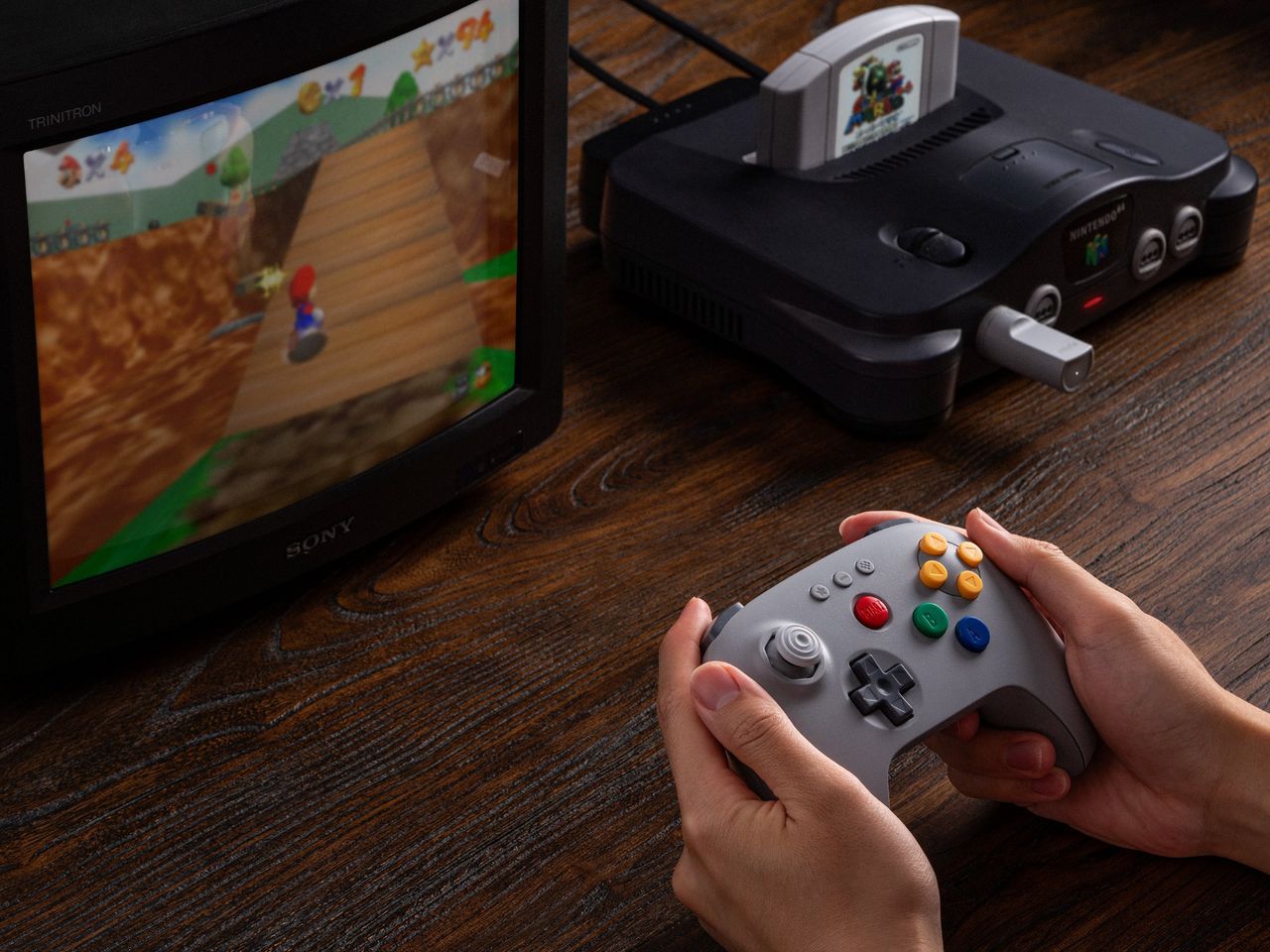
The world of retro gaming has seen a vibrant resurgence, and few companies cater to this niche with as much dedication and quality as 8BitDo. Known for their meticulously crafted controllers that blend classic designs with modern technology, 8BitDo first introduced their Nintendo 64-inspired wireless controller, the 8BitDo 64, a couple of years back. Initially offering wired and Bluetooth connectivity, the company has now rolled out a significant update: a new $40 model featuring a dedicated 2.4 GHz wireless connection, complete with a receiver that even works with the original N64 console. This isn't just a re-release; it's a strategic pivot designed to offer a superior, low-latency experience, especially for those looking to revisit their favorite N64 classics on original hardware or emulated platforms.
Quick Verdict
The 8BitDo 64 2.4G Wireless Controller hits a sweet spot for Nintendo 64 enthusiasts and retro gamers alike. It delivers an authentic N64 feel with the critical advantage of a drift-free hall-effect joystick and a rock-solid 2.4 GHz wireless connection, even for your original console. While it drops built-in Bluetooth for this specific model, its dedicated receiver and superb build quality make it a compelling choice for bringing classic gaming into the modern wireless age.
Design and Build Quality: A Faithful Recreation with a Modern Twist
Visually, the 8BitDo 64 is a clear homage to its inspiration, available initially in the iconic Classic Grey. It takes design cues from the popular 8BitDo Ultimate controller series, known for its premium feel and ergonomics. The core appeal, however, lies in its commitment to the N64 aesthetic. The controller features colored buttons that precisely match the original Nintendo 64 layout. Intriguingly, it includes an extra A and B button where a second joystick might typically be found on modern controllers, likely to accommodate versatile mappings for the N64's unique C-button cluster. These buttons, along with the main A and B, have been meticulously crafted to replicate the tactile feedback and positioning of the original N64 pad, ensuring a truly authentic retro experience.
Beyond the faithful recreation of the N64's distinctive layout, the highlight of the 8BitDo 64's build quality is the inclusion of a single hall-effect joystick. For any gamer who has suffered the frustration of joystick drift, particularly common in older analog sticks and even newer ones, the hall-effect technology is a game-changer. This magnetic-based sensing eliminates physical contact, meaning the joystick should, in theory, never experience drift, offering unparalleled longevity and precision. This single feature alone significantly elevates the controller from a mere nostalgia trip to a genuinely high-performance piece of gaming hardware.
Connectivity and Compatibility: Bridging Generations Seamlessly
This new iteration of the 8BitDo 64 distinguishes itself primarily through its connectivity. While the earlier model supported wired and Bluetooth, this $40 version has foregone integrated Bluetooth in favor of a dedicated 2.4 GHz radio connection. This decision is deliberate, as 2.4 GHz connections typically offer lower latency and more stable performance, which is crucial for precise gaming inputs, especially in competitive or fast-paced retro titles.
At the heart of this new model is its dedicated 2.4 GHz wireless receiver. This compact dongle is the key to its versatility, enabling a stable wireless link between the controller and your chosen device. Crucially, this receiver has been engineered to work with the original Nintendo 64 console, a feature that will undoubtedly excite retro purists. This means you can now enjoy your N64 library wirelessly without resorting to adapters or complex setups, offering a truly plug-and-play experience for your vintage hardware.
It's important to clarify the distinction between the receiver bundled with the 8BitDo 64 controller and the standalone Bluetooth Retro Receiver that 8BitDo has also released. The receiver included with the 8BitDo 64 in the box is strictly for a 2.4 GHz connection with this specific controller. It does not support Bluetooth. Conversely, the standalone Bluetooth Retro Receiver, available for $24.99, enables wireless gaming on N64 and Windows with any compatible Bluetooth pad. This separate receiver supports BLE (Bluetooth Low Energy) and is compatible with most of 8BitDo's first-party controllers, as well as third-party controllers that support BLE, including those from Xbox or PlayStation. Therefore, if you're looking to use a different Bluetooth controller with your N64 or PC, the standalone Retro Receiver is your go-to option, but it won't connect to the new 2.4 GHz 8BitDo 64 controller.
Performance and User Experience: Modern Reliability Meets Retro Feel
In terms of user experience, the 8BitDo 64 2.4G aims for the best of both worlds. The meticulously crafted buttons, designed to feel exactly like the original, ensure that muscle memory from decades past quickly kicks in. The positioning and tactile response are key to immersion in retro titles, and 8BitDo has clearly prioritized this.
The inclusion of the hall-effect joystick is arguably the most significant performance upgrade. For N64 games, where precise analog control was often paramount (think Super Mario 64 or The Legend of Zelda: Ocarina of Time), a non-drifting joystick provides a substantial advantage. It ensures consistent and accurate inputs over the controller's lifespan, eliminating the need for frequent replacements or frustrating calibration issues. The 2.4 GHz wireless connection, being inherently low-latency, contributes to a responsive gaming experience, minimizing any noticeable input lag that can sometimes plague Bluetooth connections, especially in older console environments.
This controller isn't just about recreating the past; it's about improving upon it with modern reliability. The build quality, combined with the robust wireless connection and the drift-proof joystick, promises a durable and consistent gaming tool for years to come, whether you're battling Bowser on original hardware or exploring Hyrule in an emulator.
Pricing and Availability
The updated 8BitDo 64 with the 2.4 GHz wireless receiver is priced competitively at $39.99 on Amazon. For now, it's available exclusively in the Classic Grey color. Both the controller and the standalone Retro Receiver started shipping on March 23rd. The standalone Bluetooth Retro Receiver, which allows other Bluetooth controllers to connect to the N64 or Windows, is available for $24.99. Consumers should be mindful of which receiver they are purchasing or which is included with their controller, as their functionalities are distinct and not interchangeable.
Pros and Cons
Pros:
- Authentic N64 Feel: Meticulously crafted buttons and layout faithfully recreate the original N64 controller experience.
- Original N64 Compatibility: Dedicated 2.4 GHz receiver works directly with the original N64 console, offering true wireless retro gaming.
- Drift-Free Hall-Effect Joystick: Ensures long-term precision and reliability, eliminating a common pain point of analog sticks.
- Reliable 2.4 GHz Connection: Provides stable, low-latency wireless performance ideal for gaming.
- Good Value: At $39.99, it offers a premium retro experience with modern tech.
- Sturdy Build Quality: Modeled after the acclaimed 8BitDo Ultimate series.
Cons:
- No Built-in Bluetooth (on controller): This specific 2.4 GHz model lacks integrated Bluetooth, limiting its direct wireless compatibility with some modern devices without the 2.4 GHz receiver.
- Limited Color Options: Currently only available in Classic Grey.
- Receiver Confusion: The distinction between the bundled 2.4 GHz-only receiver and the standalone Bluetooth-only Retro Receiver can be confusing for buyers.
Buying Recommendation
For anyone with a fond memory of the Nintendo 64, or those just discovering its legendary library, the 8BitDo 64 2.4G Wireless Controller is an easy recommendation. If you own an original N64 console and want to enjoy it wirelessly without compromises, this controller is practically a must-buy. Its dedicated 2.4 GHz connection and original console compatibility are standout features. Furthermore, the hall-effect joystick makes it a superior choice for long-term use, sidestepping the dreaded stick drift issue that plagues so many other controllers, both old and new. If you're primarily a PC gamer looking for an N64-style controller for emulation, its 2.4 GHz connection via the receiver will also provide excellent performance.
However, if you're looking for a single controller to primarily use via Bluetooth across various modern platforms without a dongle, this specific version of the 8BitDo 64 might not be your best bet due to its lack of integrated Bluetooth. In that scenario, you might consider other 8BitDo controllers or explore the standalone Bluetooth Retro Receiver if you want to use a different Bluetooth pad with your N64. But for dedicated N64 authenticity and reliability, the 8BitDo 64 2.4G is an outstanding choice that genuinely improves upon the original experience.
FAQ
Q: Does the 8BitDo 64 2.4G controller work with my PC via Bluetooth?
A: No, the 8BitDo 64 2.4G controller itself does not have built-in Bluetooth functionality. It connects wirelessly to your PC (or original N64) only via its dedicated 2.4 GHz receiver included in the box.
Q: Can I use the dedicated receiver that comes with the 8BitDo 64 2.4G controller to connect other Bluetooth controllers to my N64?
A: No, the receiver included with the 8BitDo 64 2.4G controller is strictly for a 2.4 GHz connection with that specific controller. It does not support Bluetooth connections with other controllers. For that functionality, you would need to purchase the standalone 8BitDo Bluetooth Retro Receiver separately.
Q: What's the main benefit of the hall-effect joystick in the 8BitDo 64 2.4G controller?
A: The primary benefit of the hall-effect joystick is its immunity to stick drift. Unlike traditional joysticks that rely on physical contact and can wear out over time, hall-effect joysticks use magnets, providing superior durability, precision, and longevity by eliminating mechanical wear and tear.
Related articles
Android 17 QPR2 Beta 7.1: The Performance Relief You've Been Waiting
Android 17 QPR2 Beta 7.1: Finally Fixing the QPR1 Performance Woes Verdict: Android 17 QPR2 Beta 7.1 is a crucial and highly anticipated software update for Google Pixel users, specifically targeting and resolving the

DJI Solo Video Setups: Smart Choices for Lone Creators
This review delves into DJI's recommended solo video setups, highlighting the Osmo Pocket 3 Creator Combo as a top pick for its integrated camera, gimbal, and mic. It also covers stabilizers like the Osmo Mobile 8 and RS 4, and the DJI Mic Mini series for enhanced audio, providing honest pros, cons, and clear buying advice.

Mark Wahlberg on using AI in film ‘the right way’ and being open to
Actor Mark Wahlberg believes AI has a place in filmmaking if used responsibly for enhancement, not script generation or actor replacement. At TechCrunch Disrupt, he expressed openness to an AI likeness carrying on his legacy, managed by his family, and emphasized storytelling.

Ars Technica's Rocket Report: Your Essential Space Industry Briefing
Quick Verdict Ars Technica's Rocket Report, presented by veteran space reporter Stephen Clark, offers an invaluable and meticulously organized weekly (or similar frequency, implied by "Edition 9.15") digest of the most
Apple iPhone Duo: A Daring Debut with Notable Compromises
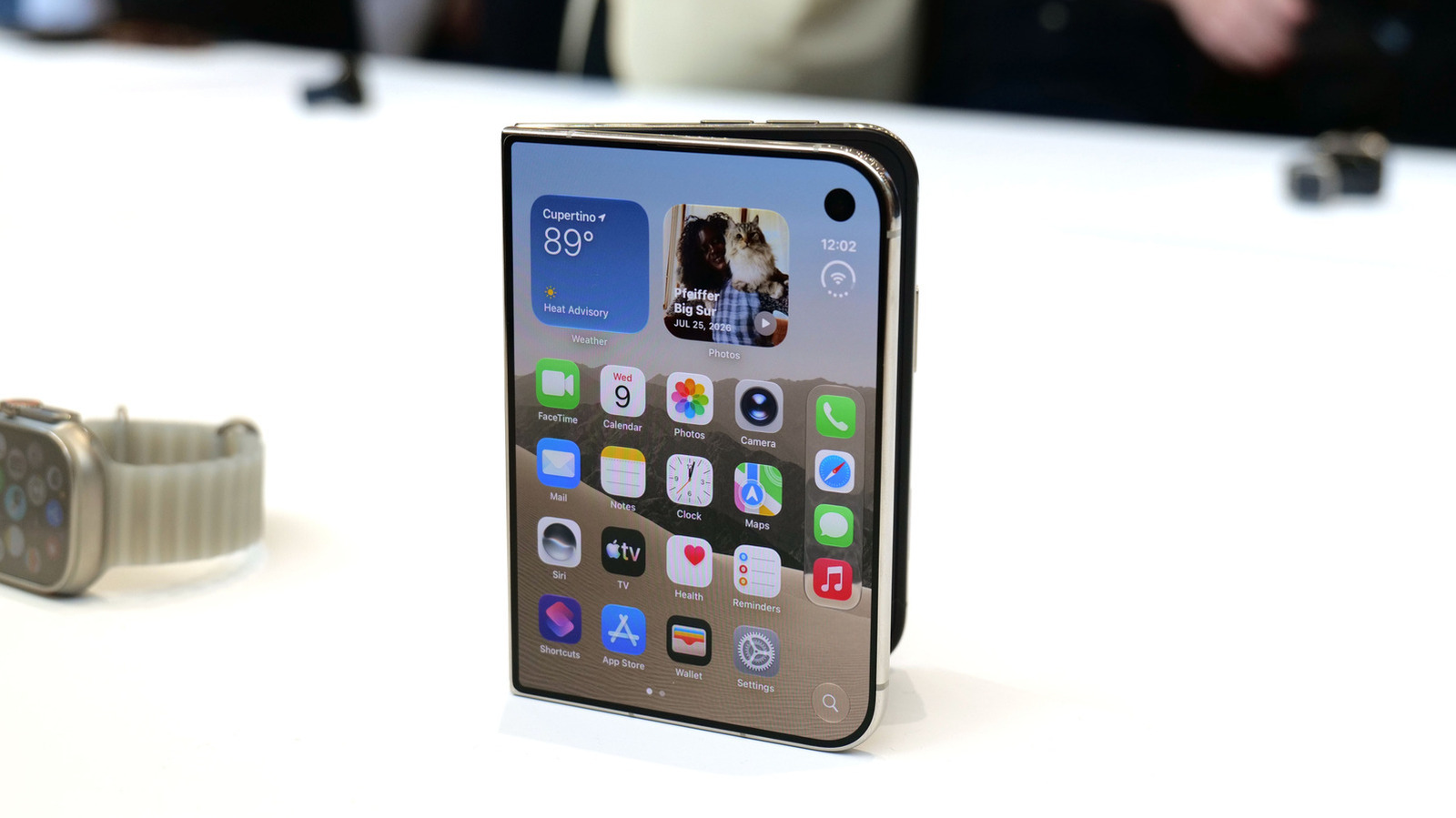
Apple's highly anticipated iPhone Duo, priced at $2,000, has gone on pre-order. While hailed as "Apple's most exciting device in a decade" for its innovative foldable design and immersive display, it comes with significant drawbacks like the absence of FaceID and a premium camera.
Amazon Prime Video Launches AI-Powered Prime 360 for NBA Coverage
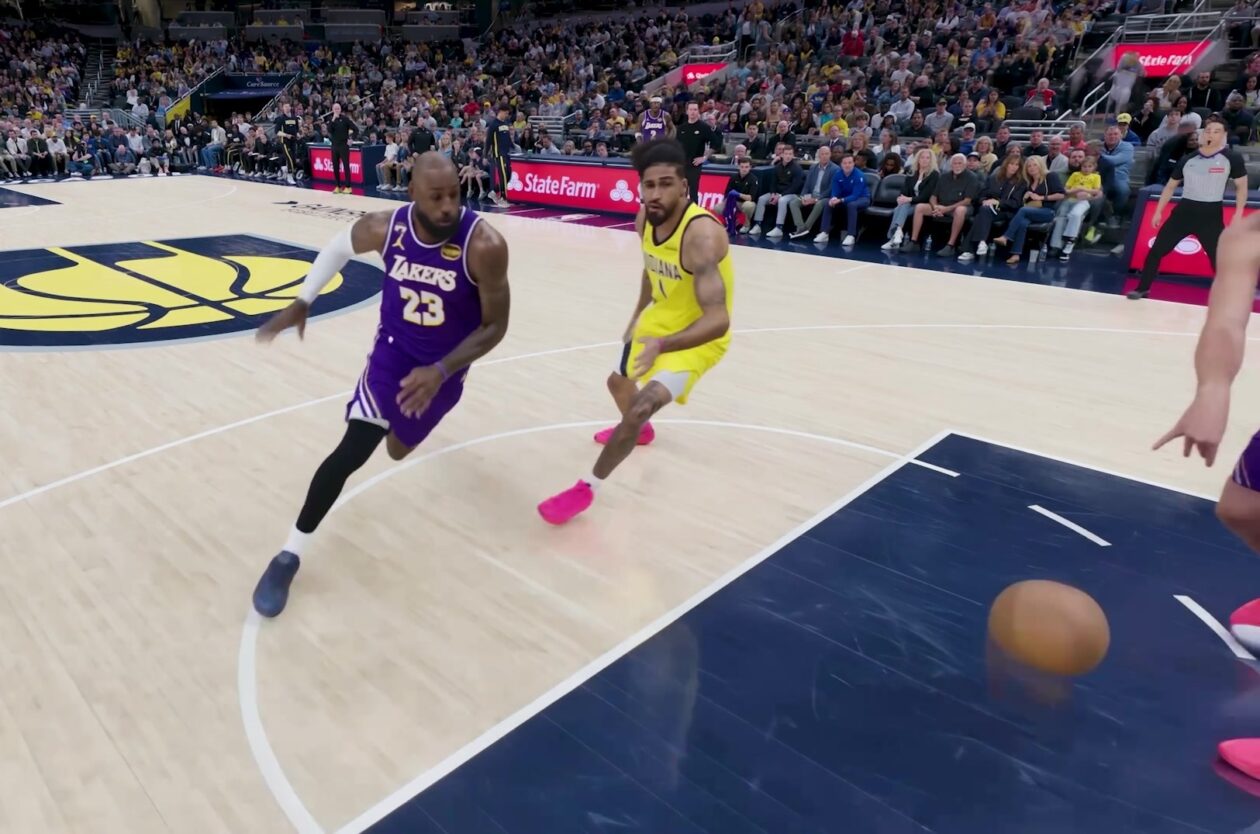
Amazon Prime Video is elevating its NBA coverage with the introduction of Prime 360, an AI-powered replay system offering immersive, 'fly through' views of the action. Kicking off its second season, Prime Video also adds Yahoo fantasy integration and gains exclusive Eastern Conference Finals rights, expanding its tech-driven sports broadcast. The new features aim to deliver a unique and interactive viewing experience for basketball fans.